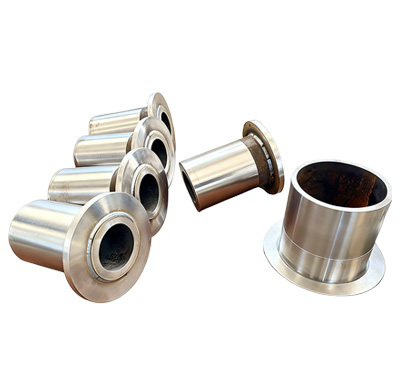
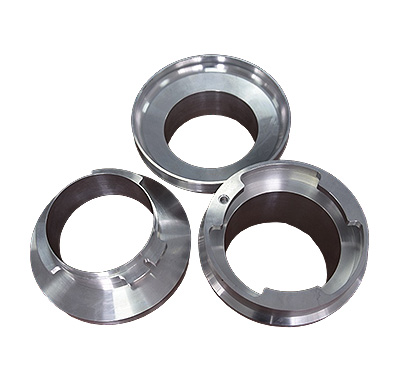
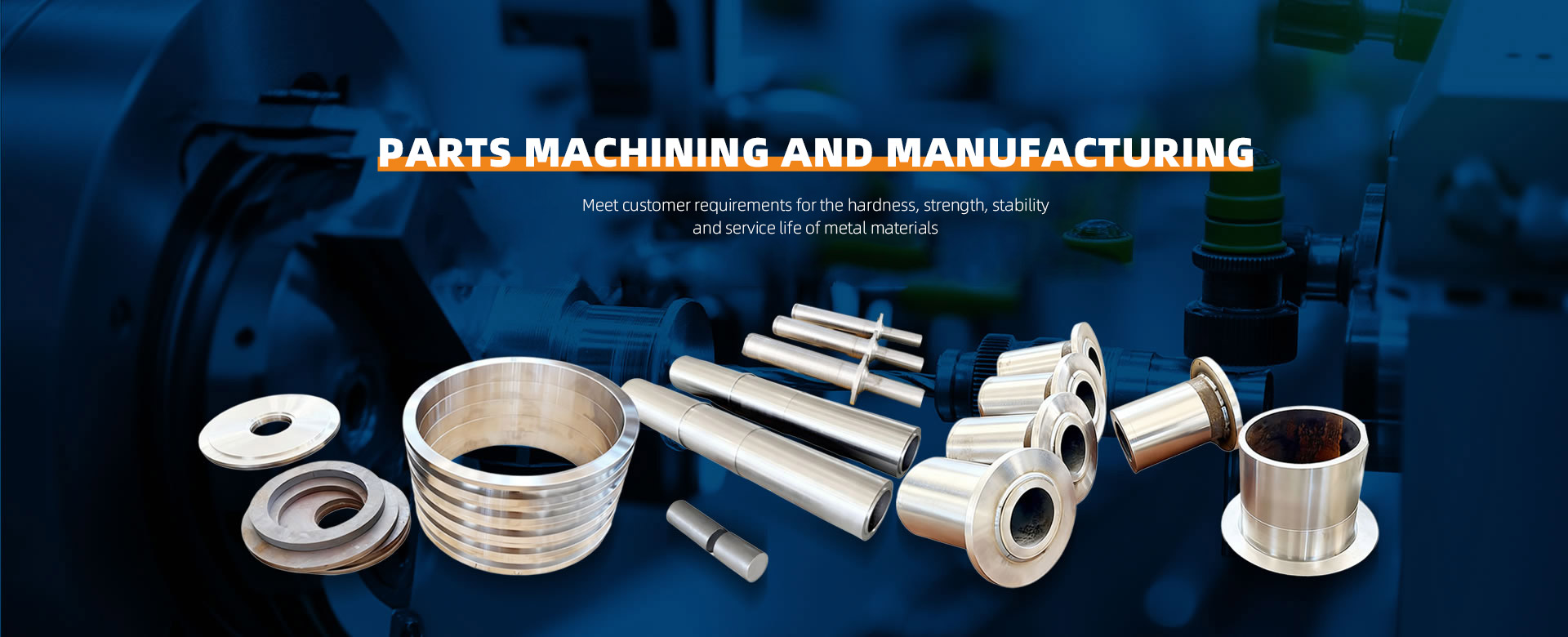
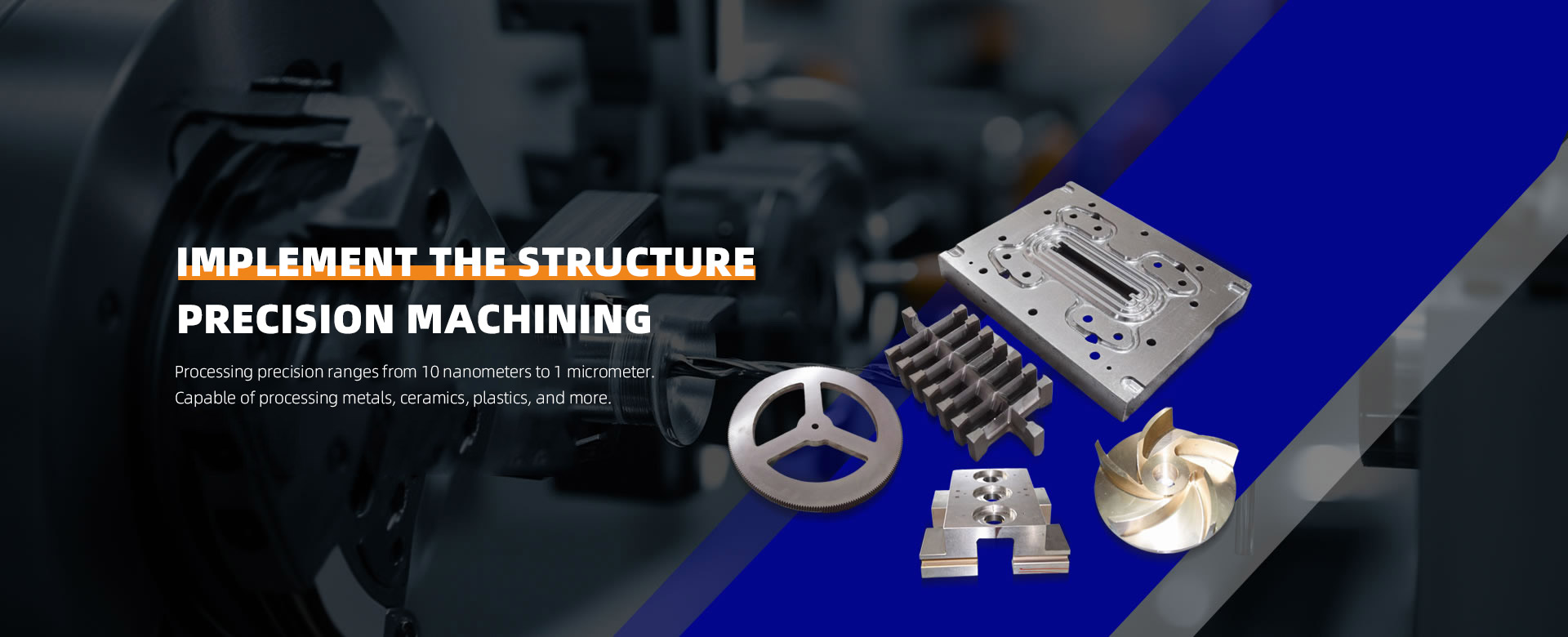
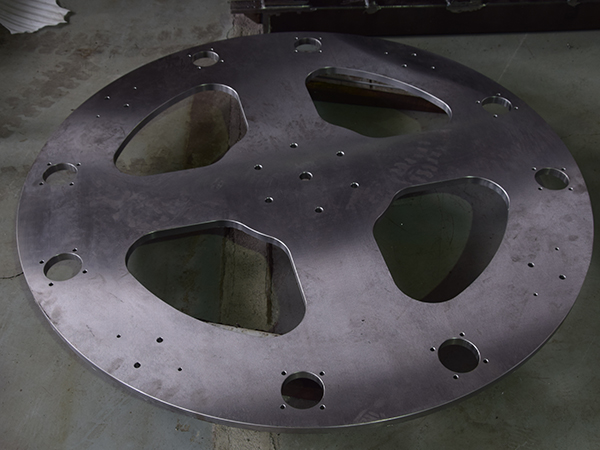
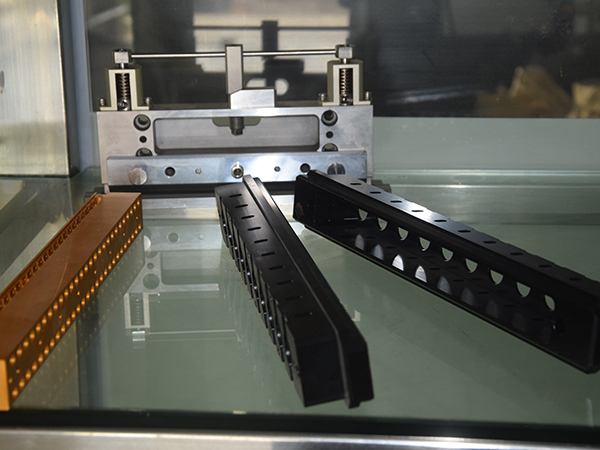
Zhenggong Electronics (Dongguan) Co., Ltd. is a specialized enterprise dedicated to the precision machining and manufacturing of high-accuracy components.
Factors affecting the quality and precision of CNC machined parts involve multiple aspects including equipment, processes, materials, environment, and human operation. Deviations in any of these areas may lead to dimensional deviations, non-compliant surface roughness, or uncontrolled geometric tolerances. Below is a detailed analysis of specific influencing factors and corresponding solutions:
I. Equipment Factors
Machine Tool Accuracy
Geometric Accuracy: Errors in machine tool guideway straightness, spindle rotational accuracy, and worktable flatness are directly transferred to the workpiece. For example, when spindle radial runout exceeds 0.005mm, the roundness error of machined holes may reach 0.01mm.
Thermal Deformation: After prolonged operation, the main
Machine tool processing (typically CNC machining) often suffers from dimensional instability, a common issue in mechanical manufacturing that can lead to scrap parts or rework. The root causes involve multiple factors including equipment, processes, materials, environment, and operator practices. Below is a detailed analysis and corresponding solutions:
I. Equipment Factors
Machine tool geometric accuracy degradation
Guideway Wear: After prolonged use, guideway straightness deviation exceeding 0.02mm/m causes worktable displacement, resulting in systematic dimensional oversize or undersize.
Spindle Radial Runout: Spindle bearing wear or improper assembly causing radial runout exceeding 0.005mm may lead to hole roundness deviation reaching 0.
CNC Machining (Computer Numerical Control Machining) is a manufacturing technology that utilizes computer programs to control machine tools for automated processing. It precisely controls the machine tool's motion paths, cutting parameters, and machining sequences through pre-set digital instructions, enabling high-precision, high-efficiency part production. Below is a detailed analysis of CNC machining:
I. Core Principles of CNC Machining
Digital Control
CNC systems process design drawings by inputting G-code (a CNC programming language) or programs generated by CAD/CAM software.
In CNC machining, insufficient surface roughness (e.g., Ra values exceeding design specifications) is typically caused by issues related to cutting tools, cutting parameters, machine tool condition, process design, or post-processing stages. The following systematic solutions integrate root cause analysis with specific improvement measures:
I. Cutting Tool Optimization
Tool Wear Control
Issue: When tool rake face wear exceeds 0.2mm, the cutting edge dulls, causing extrusion rather than cutting, which worsens surface roughness (Ra value increases by 30%-50%).
Solution:
Establish tool life standards: Set tool replacement thresholds based on material hardness (e.g., when machining 45# steel, hardness...
In CNC machining, polishing serves as a critical post-processing step that directly impacts part surface quality, wear resistance, and aesthetic appeal. However, polishing defects—such as scratches, orange peel texture, localized over-polishing, or under-polishing—often lead to reduced product yield rates. The following systematically outlines strategies to minimize CNC polishing defects across four dimensions: process optimization, tool selection, parameter control, and environmental management:
I. Process Optimization: Minimizing Defect Risks at the Source
Pre-machining Surface Quality Control
CNC Machining Residual Inspection: Prior to polishing, ensure the surface roughness (Ra) of CNC-machined parts meets specifications (e.g., precision components require ≤Ra0.8μm).
Total:5
Total Pages:1 |
Page1
9First Page
7Previous
Next8
Last Page:
Jump

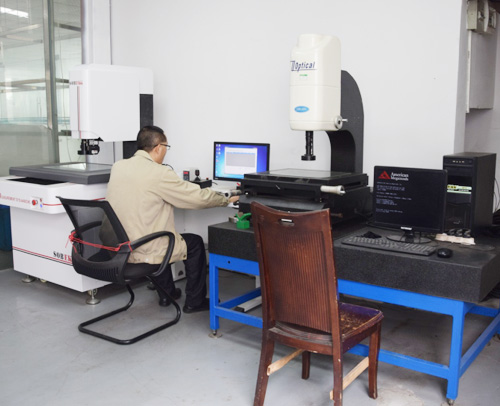 About ZhenggongZhenggong Electronics (Dongguan) Co., Ltd. is a specialized enterprise dedicated to the precision machining and manufacturing of high-accuracy components.view more
 News CenterFollow Zhenggong Electronics for real-time updates on the latest in high-precision component machining.view more