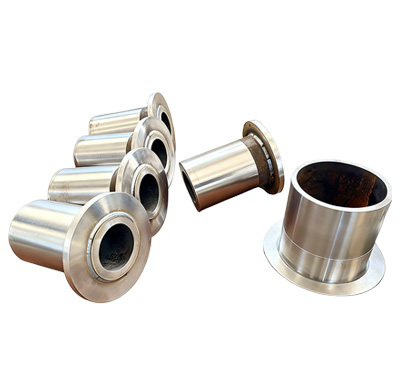
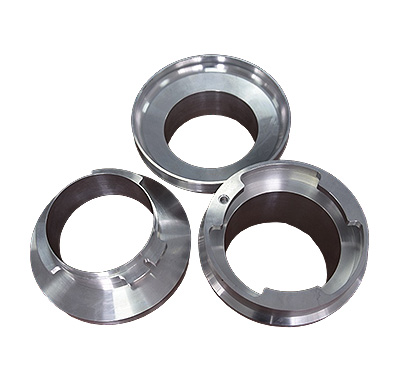
In CNC machining, polishing serves as a critical post-processing step that directly impacts part surface quality, wear resistance, and aesthetic appeal. However, polishing defects—such as scratches, orange peel texture, localized over-polishing, or under-polishing—often lead to reduced product yield rates. The following systematically outlines strategies to minimize NC polishing defects across four dimensions: process optimization, tool selection, parameter control, and environmental management.
I. Process Optimization: Minimizing Defect Risks at the Source
Pre-machining Surface Quality Control
CNC Machining Residual Inspection: Prior to polishing, ensure CNC-machined surface roughness (Ra) meets specifications (e.g., precision parts require ≤Ra0.8μm). Excessively deep tool marks may cause uneven material removal during polishing, resulting in scratches.
Deburring: Employ vibratory finishing or manual deburring tools to remove CNC-generated flash and sharp edges, preventing secondary scratches from burr detachment during polishing.
Staged Polishing Strategy
Coarse → Medium → Fine Polishing:
Coarse Polishing: Rapidly remove machining marks using coarse-grit sandpaper (#240) or fiber wheels, while controlling pressure to prevent overcutting.
Medium Polishing: Switch to #600–#800 grit sandpaper or nylon wheels to smooth surfaces and eliminate coarse marks.
Fine Polishing: Employ #1200+ grit sandpaper, wool wheels, or polishing compounds to achieve a mirror finish.
Avoid Skipping Stages: Jumping directly from coarse to fine polishing leaves coarse marks on the surface, increasing defect risks.
Path Planning Optimization
Unidirectional Polishing: Maintain a fixed polishing direction (e.g., along part length) to minimize texture confusion from cross-hatching.
Overlap Rate Control: Maintain 30%-50% overlap during polishing head movement to prevent missed spots.
Edge Avoidance: Use specialized tools or reduce polishing pressure near part edges to prevent excessive chamfering or edge chipping.
II. Tool and Material Selection: Matching Processing Requirements
Polishing Tool Compatibility
Sandpaper/Sand Belts: Select grit based on material hardness (e.g., #400–#600 for coarse polishing of aluminum alloys, #240–#400 for stainless steel)
.
Polishing Wheel Materials:
Cloth Wheels: Suitable for fine polishing but prone to polishing fluid buildup, requiring regular cleaning.
Sponge Wheels: Excellent flexibility for curved surfaces but low wear resistance.
Diamond Polishing Pads: Used for hard materials (e.g., ceramics, cemented carbide), offering long life but high cost.
Tool Condition Inspection: Replace worn polishing heads regularly to prevent surface irregularities caused by tool deformation.
Polishing Fluid and Paste Selection
Chemical Polishing Fluids: Solutions containing oxidizing agents (e.g., nitric acid, chromic acid) dissolve surface micro-protrusions, but concentration and temperature must be controlled to prevent excessive corrosion.
Mechanical Polishing Pastes:
Aluminum Oxide-Based Paste: Suitable for aluminum alloys, but requires use with soft cloth wheels.
Silicon Carbide-Based Paste: Used for hard materials like stainless steel, requiring reduced polishing pressure.
Lubrication and Cooling: Incorporate water-based or oil-based coolants to minimize friction heat and prevent material burn.
III. Parameter Control: Precise Adjustment of Processing Conditions
Optimizing Speed and Pressure
Speed Selection:
Soft Materials (e.g., aluminum, plastics): Higher speeds (2000-3000 rpm) enhance efficiency but require reduced pressure.
Hard Materials (e.g., steel, titanium): Low speed (500-1500 rpm) combined with high pressure prevents tool overheating.
Pressure Control: Monitor polishing pressure in real-time via force sensors. Constant-pressure polishing heads are recommended to prevent localized overpressure.
Feed Rate and Time Management
Feed Rate: Adjust based on material hardness (e.g., aluminum alloy 0.5-1 m/min, stainless steel 0.2-0.5 m/min).
Single Polishing Duration: Avoid prolonged dwell in one area to prevent material overheating or polishing fluid accumulation.
Temperature Control
Cooling System: For hard materials, use circulating coolant or air cooling to maintain surface temperatures below 50°C.
Intermittent Polishing: Pause every 1-2 minutes to inspect surface quality and remove polishing fluid.
IV. Environmental and Operational Management: Details Determine Success
Cleanliness Control
Pre-polishing Cleaning: Use ultrasonic cleaners to remove oil and dust from part surfaces, preventing embedded contaminants.
Work Area Isolation: Separate polishing zones from CNC machining areas to avoid cross-contamination.
Tool Cleaning: Wipe tools with alcohol after each polishing session to remove residual polishing solution and metal debris.
Operator Skill Training
Gesture Standardization: Train operators to maintain a 15°-30° angle between the polishing head and surface to prevent overcutting caused by vertical pressure.
Defect Recognition: Enhance sensitivity to defects like orange peel and scratches through microscope or visual inspection training.
Emergency Response: Establish polishing defect remediation procedures (e.g., localized rework or re-polishing).
Quality Inspection and Feedback
Online Inspection: Use laser interferometers or white light profilometers for real-time surface roughness monitoring.
Sampling System: Inspect 5%-10% of parts per batch, document defect types, and analyze root causes.
Data Traceability: Establish a polishing parameter database to correlate defects with process parameters, enabling continuous process optimization.

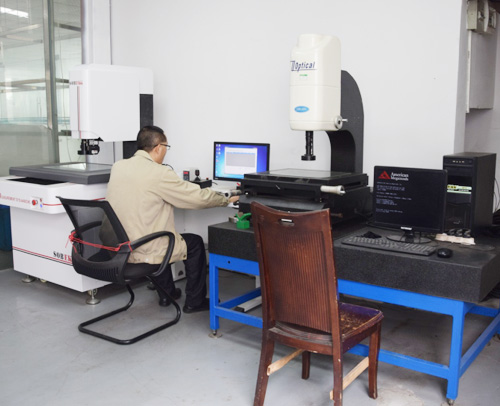 About ZhenggongZhenggong Electronics (Dongguan) Co., Ltd. is a specialized enterprise dedicated to the precision machining and manufacturing of high-accuracy components.view more
 News CenterFollow Zhenggong Electronics for real-time updates on the latest in high-precision component machining.view more