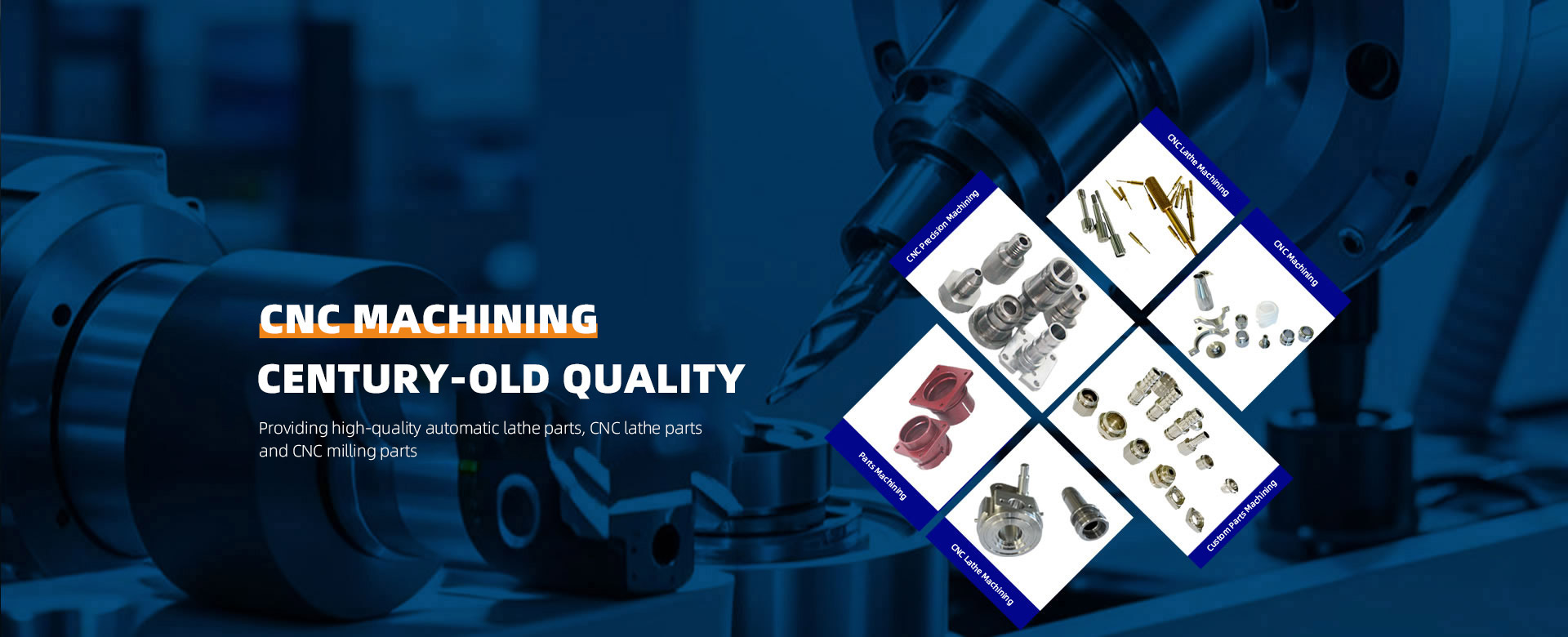
Factors affecting the quality and precision of CNC machined parts involve multiple aspects including equipment, processes, materials, environment, and human operation. Deviations in any of these areas may lead to dimensional deviations, non-compliant surface roughness, or uncontrolled geometric tolerances. Below is a detailed analysis of specific influencing factors and corresponding solutions:
I. Equipment Factors
Machine Tool Accuracy
Geometric Accuracy: Errors in machine tool guideway straightness, spindle rotational accuracy, and worktable flatness are directly transferred to the workpiece. For example, when spindle radial runout exceeds 0.005mm, the roundness error of machined holes may reach 0.01mm.
Thermal Deformation: Prolonged operation causes thermal expansion in components like the spindle head and bed, leading to positional shifts. For instance, after 8 consecutive hours of machining, the Z-axis may exhibit a 0.02mm positioning error due to thermal deformation.
Solution: Regularly inspect machine tool geometric accuracy, control ambient temperature, and utilize temperature-controlled oil-cooled spindles.
Drive System
Ball Screw Backlash: When axial clearance of ball screw assemblies exceeds 0.01mm, reverse positioning errors may cause workpiece dimensional deviations.
Gear Backlash: When backlash in CNC milling machine transmission gears exceeds 0.03mm, feed rate fluctuations may induce surface waviness.
Solutions: Periodically adjust ball screw preload, select high-precision gears, and install encoder feedback compensation.
Tooling System
Tool Wear: When the wear on the tool's rake face exceeds 0.2mm, cutting forces increase by 20%, leading to oversized workpieces or worsened surface roughness.
Tool Dynamic Balance: At spindle speeds exceeding 8000 r/min, tool dynamic imbalance exceeding 5g·mm may cause vibration, affecting hole diameter accuracy.
Solution: Establish a tool wear database; inspect tool dimensions every 50 parts processed; perform tool dynamic balancing correction before high-speed machining.
II. Process Factors
Cutting Parameters
Cutting Speed: When machining 45# steel, increasing cutting speed from 100 m/min to 200 m/min raises cutting temperature by 50°C, potentially increasing workpiece thermal deformation by 0.01 mm.
Feed Rate: Increasing feed rate from 0.1 mm/r to 0.3 mm/r may degrade surface roughness Ra from 1.6 μm to 3.2 μm.
Depth of Cut: Exceeding 5 mm during roughing may cause machine vibration due to excessive cutting forces, affecting geometric tolerances.
Solution: Optimize parameter combinations through cutting trials. For example, adopt a “high speed, low feed, shallow depth” strategy when machining aluminum alloys.
Machining Sequence
Unified Reference: Machining the bore before the outer diameter may cause outer diameter roundness to exceed tolerances due to clamping deformation of the bore.
Heat Treatment Deformation: If the dimensional change rate after quenching exceeds 0.5%, allow machining allowance and schedule secondary finishing.
Solution: Follow the “surface before holes, rough before finish” principle and incorporate stabilization treatment after heat treatment.
Fixture Design
Positioning Error: Wear on fixture locating elements may cause reference offset >0.02mm, potentially exceeding hole system positional tolerances.
Clamping force: Excessive clamping force may cause thin-walled parts to deform by >0.05mm.
Solution: Adopt a “one surface, two holes” positioning method. Optimize clamping force through finite element analysis and use hydraulic fixtures to minimize deformation.
III. Material Factors
Material Uniformity
Castings porosity: When aluminum alloy castings have a porosity rate >3%, pitting may appear on the machined surface, affecting sealing performance.
Steel Segregation: Carbon content deviation exceeding 0.05% in 40Cr steel may cause hardness inconsistencies, generating vibration during machining.
Solution: Perform ultrasonic flaw detection before machining to identify material defects; select electroslag remelted bars.
Material Hardness
Hardness Fluctuations: For steel parts with HRC 28-32, deviations exceeding ±2 HRC may cause cutting force variations of up to 30%, leading to dimensional instability.
Solution: Inspect hardness before machining each material batch and adjust cutting parameters to compensate for hardness variations.
Residual Stresses
Welding Stresses: Residual stresses exceeding 200 MPa in welded structural components may cause post-machining deformation exceeding 0.1 mm.
Solution: Perform stress-relief annealing after welding or apply vibration aging treatment.
IV. Environmental Factors
Temperature
Machine tool thermal deformation: For every 1°C increase in ambient temperature, the machine tool bed may elongate by 0.01mm/m, causing oversized machined dimensions.
Workpiece thermal deformation: Aluminum alloy workpieces left at 25°C for 2 hours may exhibit dimensional change rates up to 0.005%/°C.
Solution: Maintain workshop temperature at 20±2°C and condition workpieces at constant temperature for 24 hours prior to machining.
Humidity
Corrosion: At humidity >70%, steel surfaces may develop micro-rust spots, compromising surface quality.
Cutting fluid degradation: High humidity promotes bacterial growth in cutting fluids, lowering pH and causing workpiece corrosion.
Solution: Maintain workshop humidity between 40%-60% and regularly add biocides to cutting fluids.
Vibration
External Vibration: Vibrations from adjacent equipment may transmit through the floor to machine tools, causing surface waviness exceeding 0.01mm.
Solution: Install vibration-damping pads under machine tool foundations and isolate them from vibration sources by at least 10 meters.

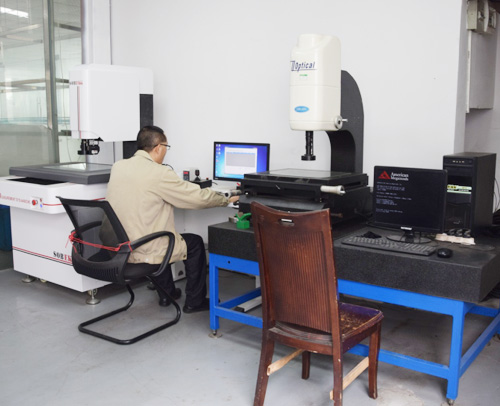 About ZhenggongZhenggong Electronics (Dongguan) Co., Ltd. is a specialized enterprise dedicated to the precision machining and manufacturing of high-accuracy components.view more
 News CenterFollow Zhenggong Electronics for real-time updates on the latest in high-precision component machining.view more