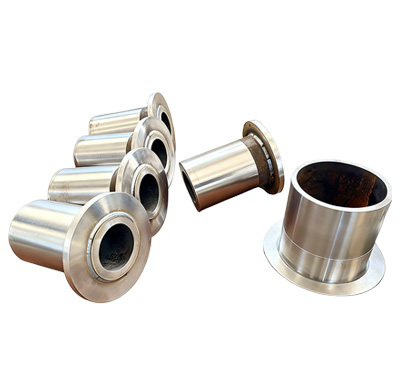
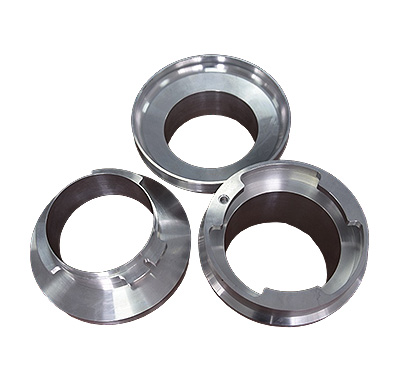
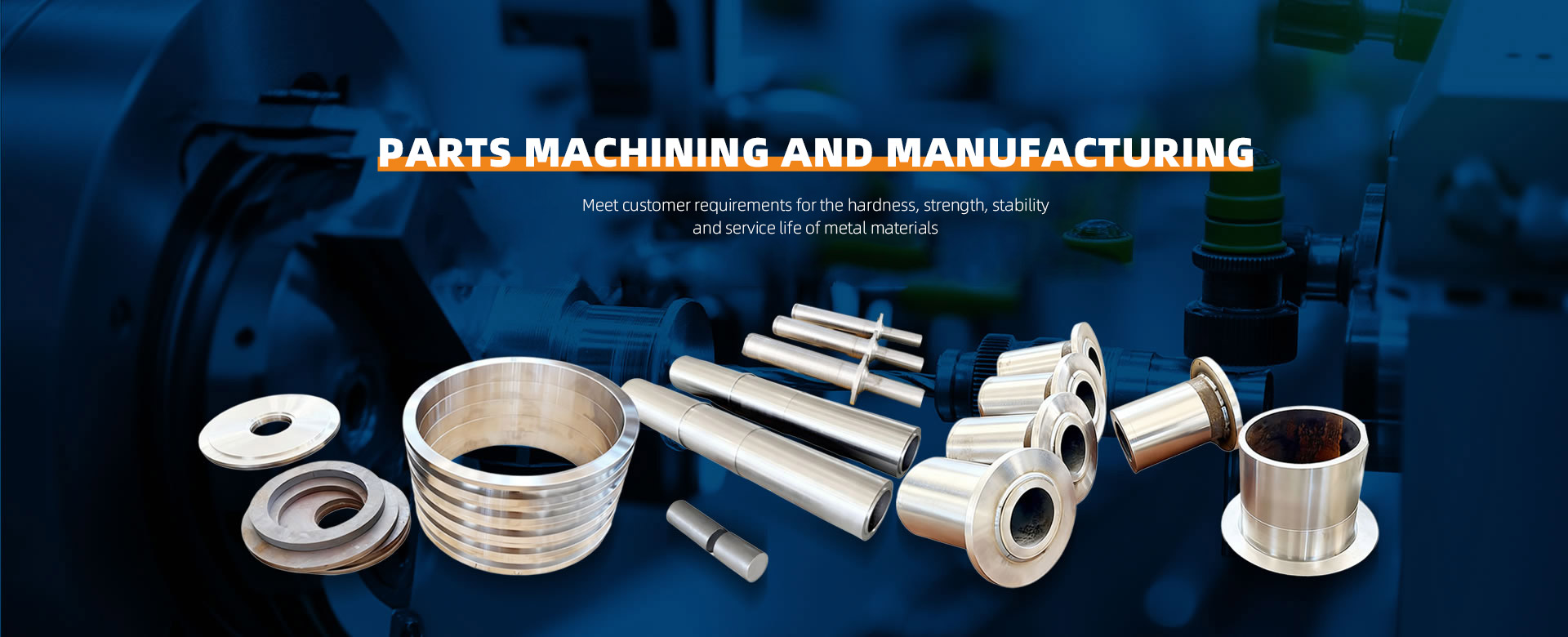
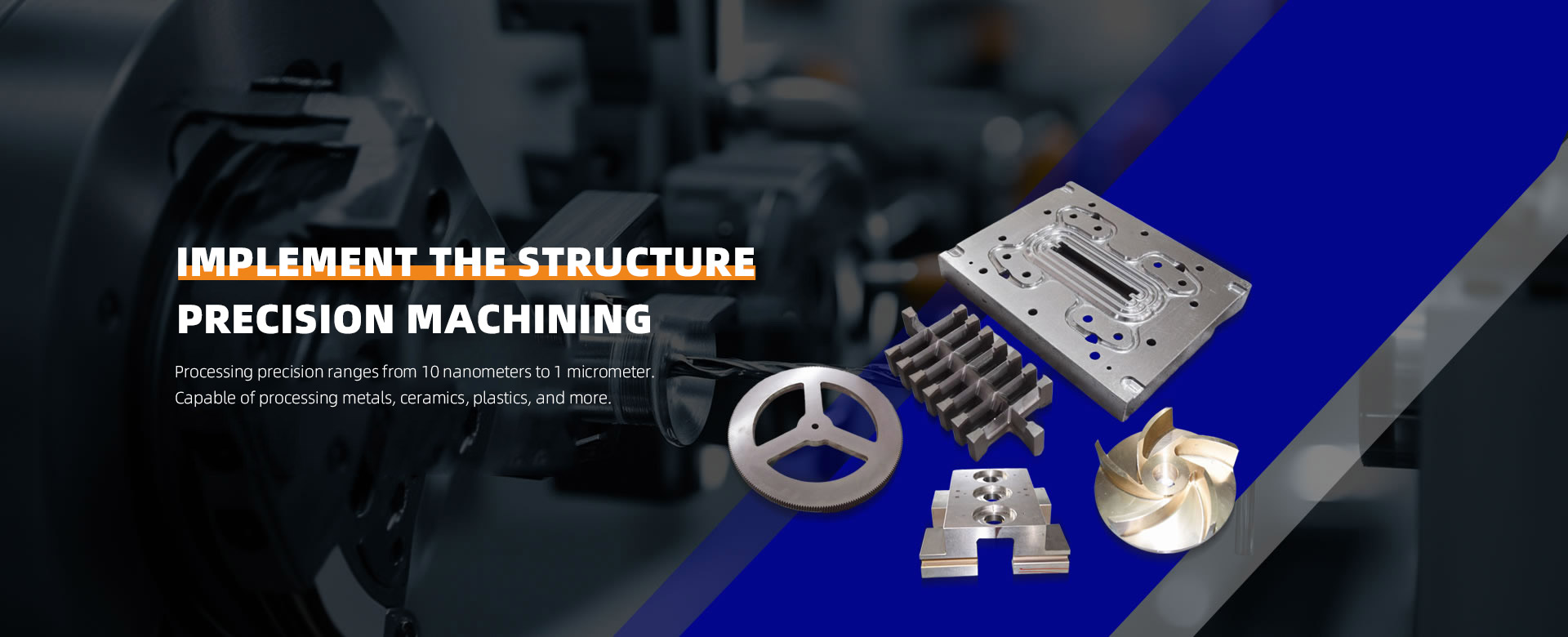
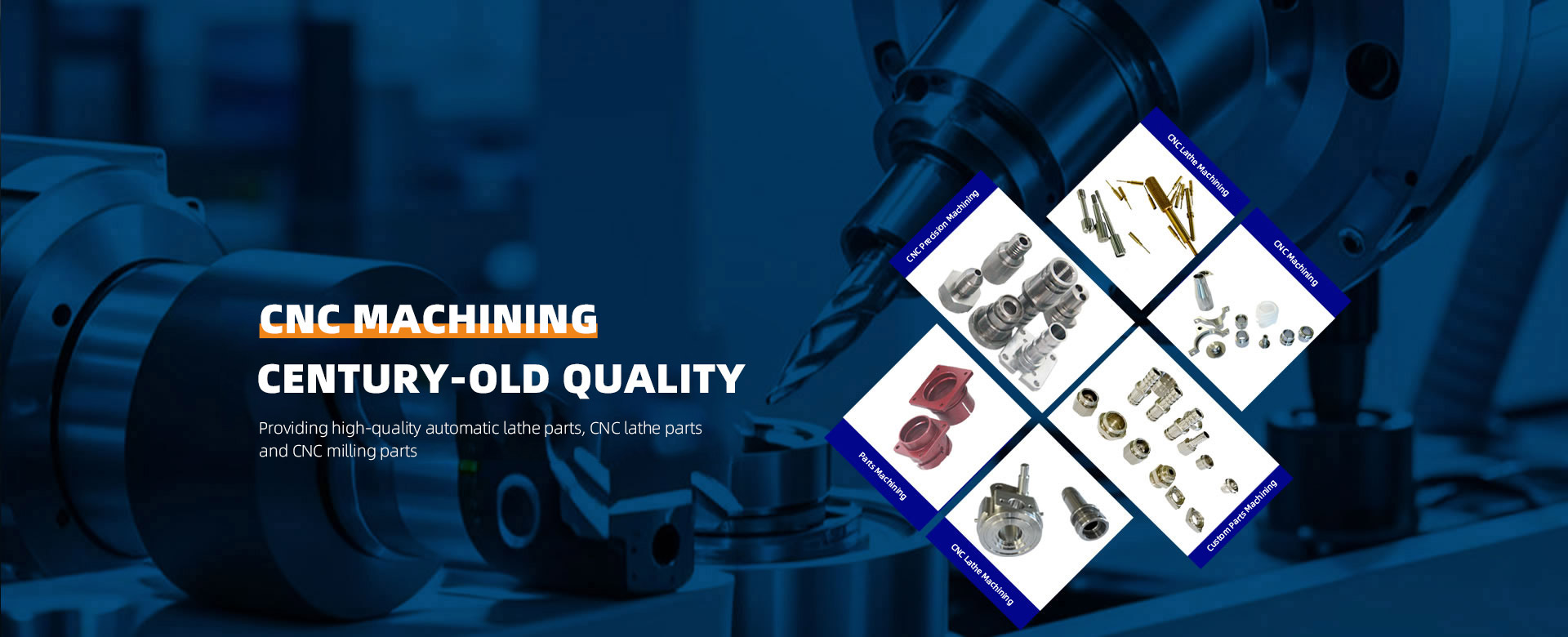
CNC Machining (Computer Numerical Control Machining) is a manufacturing technology that utilizes computer programs to control machine tools for automated processing. It precisely controls the machine tool's motion paths, cutting parameters, and machining sequences through pre-set digital instructions, enabling high-precision, high-efficiency part production. Below is a detailed analysis of CNC machining:
I. Core Principles of CNC Machining
Digital Control
CNC systems convert design drawings into machine-recognizable instructions by inputting G-code (a CNC programming language) or programs generated by CAD/CAM software. These instructions contain parameters such as coordinate positions, spindle speed, feed rate, and cutting depth, enabling the machine tool to automatically complete machining according to the program.
Closed-Loop Feedback System
Modern CNC machines are equipped with sensors like encoders and linear scales to monitor tool position and workpiece status in real time. The feedback system corrects deviations to maintain machining accuracy. For instance, if a 0.01mm deviation is detected during processing, the system automatically adjusts the tool path.
II. Primary Equipment for CNC Machining
CNC Machine Types
CNC Lathe: Processes rotary parts (e.g., shafts, discs) by rotating the workpiece while coordinating tool movement to perform turning, drilling, threading, etc.
CNC Milling Machine: Suitable for complex shapes like planes, grooves, and curved surfaces. Achieves multi-axis coordination through tool rotation and workpiece movement.
CNC Machining Center: Integrates milling, drilling, tapping, and other functions. Equipped with a tool magazine and automatic tool changer (ATC), enabling multi-process machining with a single setup.
CNC Grinding Machines: Employ grinding wheels to achieve micron-level precision for high-accuracy surface finishing (e.g., molds, bearings).
CNC Electrical Discharge Machines (EDM): Utilize electrical discharge erosion to process hard materials (e.g., mold steel), particularly suited for complex cavity machining.
Key Components
Control Systems: Brands like FANUC, Siemens, and Heidenhain handle program interpretation and motion control.
Spindle System: Provides high-speed rotational power (e.g., 8000-20000 rpm), supporting carbide tool machining.
Feed System: Driven by servo motors via ball screws or linear motors, enabling high-precision displacement (positioning accuracy ±0.005 mm).
Cooling System: Employs cutting fluids or high-pressure air to cool tools and workpieces, extending tool life and enhancing surface quality.
III. CNC Machining Process Flow
Design Phase
Design three-dimensional part models using CAD software (e.g., SolidWorks, AutoCAD).
Generate G-code programs via CAM software (e.g., Mastercam, UG) to optimize toolpaths and cutting parameters.
Machining Preparation
Workpiece Clamping: Select appropriate fixtures (e.g., three-jaw chucks, vices) to secure workpieces, ensuring positioning accuracy.
Tool Selection: Choose tool types (e.g., carbide end mills, ceramic tools) based on material hardness and machining requirements.
Program Debugging: Verify the program in simulation software or conduct trial runs on the machine tool to check for collision risks.
Machining Execution
The machine tool automatically performs rough machining (removing most stock), semi-finishing (leaving finishing allowance), and finishing (achieving final dimensions and surface roughness) according to the program.
Monitor machining status in real-time, such as cutting force, temperature, and vibration, adjusting parameters as necessary.
Post-Processing
Deburr and clean the workpiece. Perform dimensional inspection (e.g., using a coordinate measuring machine) and surface quality checks (e.g., with a roughness tester).
Apply heat treatment or surface finishing (e.g., quenching, chrome plating) to critical components to enhance performance.
IV. Advantages of CNC Machining
High Precision
Achieves machining accuracy of ±0.001mm and repeat positioning accuracy of ±0.005mm, suitable for precision fields like aerospace and medical devices.
High Efficiency
Automated processing minimizes manual intervention, reducing single-piece processing time by 30%-50% compared to traditional machine tools.
Multi-axis coordination and composite machining capabilities (e.g., turning-milling integration) enable single-setup completion of complex structures.
Flexibility
Program modifications are straightforward, allowing processing of diverse parts without tooling or fixture changes—ideal for small-batch, multi-variety production.
Supports rapid prototyping (RP) to accelerate product development cycles.
Consistency
During batch production, all parts exhibit highly uniform dimensions and surface quality, minimizing human operational errors.

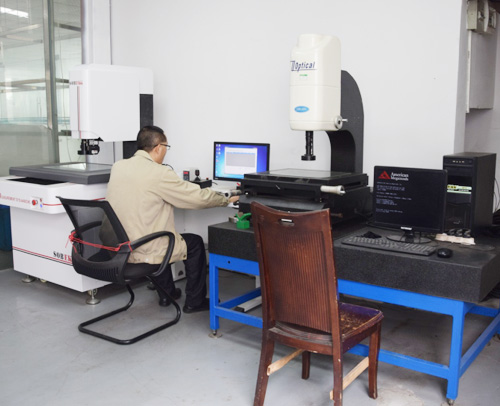 About ZhenggongZhenggong Electronics (Dongguan) Co., Ltd. is a specialized enterprise dedicated to the precision machining and manufacturing of high-accuracy components.view more
 News CenterFollow Zhenggong Electronics for real-time updates on the latest in high-precision component machining.view more