During CNC machining, the formation of porosity is typically associated with internal material defects, improper machining parameters, or inadequate process control. This phenomenon is particularly common in metal cutting, cast component machining, or composite material processing. Below are detailed solutions tailored to different scenarios, covering critical aspects such as material pre-treatment, machining parameter optimization, process improvements, and quality inspection:
I. Material Pre-processing: Eliminating Internal Defects
Raw Material Inspection
Castings/Forgings: Perform X-ray or ultrasonic testing on castings prior to machining to detect internal defects like porosity or shrinkage porosity. If porosity exceeds standards, return to supplier or perform repair welding.
Metal Bar Stock Inspection: Examine bar ends under low-power magnification for defects such as looseness or slag inclusions. For high-precision components (e.g., aerospace parts), bars produced via vacuum melting or electroslag remelting are recommended.
Pre-machining Treatment
Stress-Relief Annealing: Perform stress-relief annealing on rough-machined parts (e.g., steel components held at 550-650°C for 2-4 hours) to eliminate machining stresses. This reduces micro-crack formation or porosity expansion caused by stress release during subsequent finishing operations.
Surface Cleaning: Remove scale, rust, and oil contamination from the workpiece surface using grinding wheels or sandblasting equipment to prevent impurities from being drawn into the cutting zone and forming porosity during machining.
II. Machining Parameter Optimization: Controlling the Cutting Process
Cutting Parameter Adjustment
Reduce Cutting Speed: High-speed cutting may cause excessive temperatures in the cutting zone, leading to the volatilization of low-melting-point impurities (e.g., sulfides) within the material and the formation of porosity. Recommend reducing cutting speed to a reasonable range.
Reduce Feed Rate: Excessive feed rates may prevent timely chip evacuation, causing accumulation in the cutting zone and inducing high temperatures that promote porosity. For finishing operations, control feed rates between 0.05-0.15 mm/r.
Optimize Depth of Cut: During rough machining, depth of cut may be appropriately increased (e.g., 2-5 mm), but ensure uniform cutting forces to prevent localized stress concentration that could cause material cracking or porosity expansion.
Cutting Fluid Management
Cutting Fluid Selection:
Emulsions: Suitable for steel and cast iron components. Maintain concentration at 5%-10%. Regularly monitor pH and bacterial content to prevent degradation.
Synthetic Cutting Fluids: Suitable for aluminum alloys and copper alloys, offering superior cooling and rust prevention. Foam control is essential (add defoamers).
Cutting Oils: Used for heavy-duty cutting or difficult-to-machine materials (e.g., stainless steel). Regularly filter impurities to maintain unobstructed oil flow.
Spray Control: Adjust nozzle angle (30°-45° relative to tool) to ensure fluid coverage over cutting edge and workpiece contact zone. Recommended flow rate: 5-10 L/min (adjust based on workpiece size).
III. Process Improvements: Reducing Porosity Formation Conditions
Layered Machining Strategy
Separate roughing and finishing operations: Allow 0.5-1mm allowance during roughing. For finishing, use small cutting depths, low feed rates, and moderate spindle speeds to minimize thermal impact on material structure.
Multi-path Machining: For complex surfaces (e.g., mold cavities), employ “contour” or “helical” toolpaths to prevent localized overheating caused by excessive single-pass cutting volumes.
Vacuum-Assisted Machining (for Special Materials)
Composite Machining: When machining carbon fiber reinforced composites (CFRP), secure workpieces with vacuum suction cups to minimize vibration. Simultaneously, use the vacuum system to promptly extract chips and volatile gases, preventing porosity formation.
Magnesium Alloy Machining: Magnesium alloys generate high temperatures during cutting. Machining must occur under vacuum or inert gas (e.g., argon) protection to avoid oxidation, combustion, and subsequent porosity formation.
Tool Optimization
Insert Coatings: Select inserts with coatings like TiAlN or AlCrN to enhance tool heat resistance and oxidation resistance, reducing material volatilization caused by elevated cutting zone temperatures.
Tip Radius: Use smaller tip radii during finishing operations to lower cutting forces, minimizing material deformation and the risk of porosity propagation.
IV. Quality Inspection and Process Control
Online Monitoring
Acoustic Emission Detection: Monitor acoustic emission signals during cutting via sensors. Detecting abnormal frequencies (e.g., >10kHz) may indicate porosity formation, requiring immediate shutdown for inspection.
Chip Morphology Analysis: Normal chips should exhibit continuous ribbon or segmented patterns. Fragmented or powdery chips may result from excessive cutting temperatures causing material volatilization, necessitating parameter adjustments.
First-Piece and Process Inspection
First-Piece Full Inspection: Perform trial cuts before production to validate program accuracy, measure dimensions, and adjust tool offset values. For batch production, subject the first piece to X-ray or penetrant testing to confirm porosity-free status before proceeding.
Process Sampling Inspection: Inspect one piece per 5-10 processed items using ultrasonic thickness gauges to detect internal defects or metallographic microscopes to examine microstructure on cut surfaces.
Post-Processing Remediation
Weld Repair: For porosity detected after machining, perform repair welding using TIG or laser welding. Follow with localized heat treatment to relieve residual stresses.
Penetrant Testing: After machining, conduct penetrant testing (e.g., fluorescent penetrant method) on the workpiece. Mark porosity locations and evaluate whether they compromise serviceability.

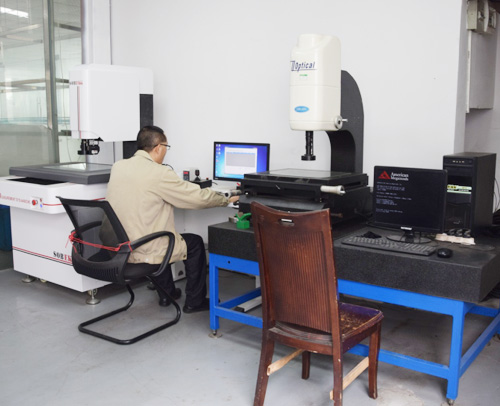 About ZhenggongZhenggong Electronics (Dongguan) Co., Ltd. is a specialized enterprise dedicated to the precision machining and manufacturing of high-accuracy components.view more
 News CenterFollow Zhenggong Electronics for real-time updates on the latest in high-precision component machining.view more