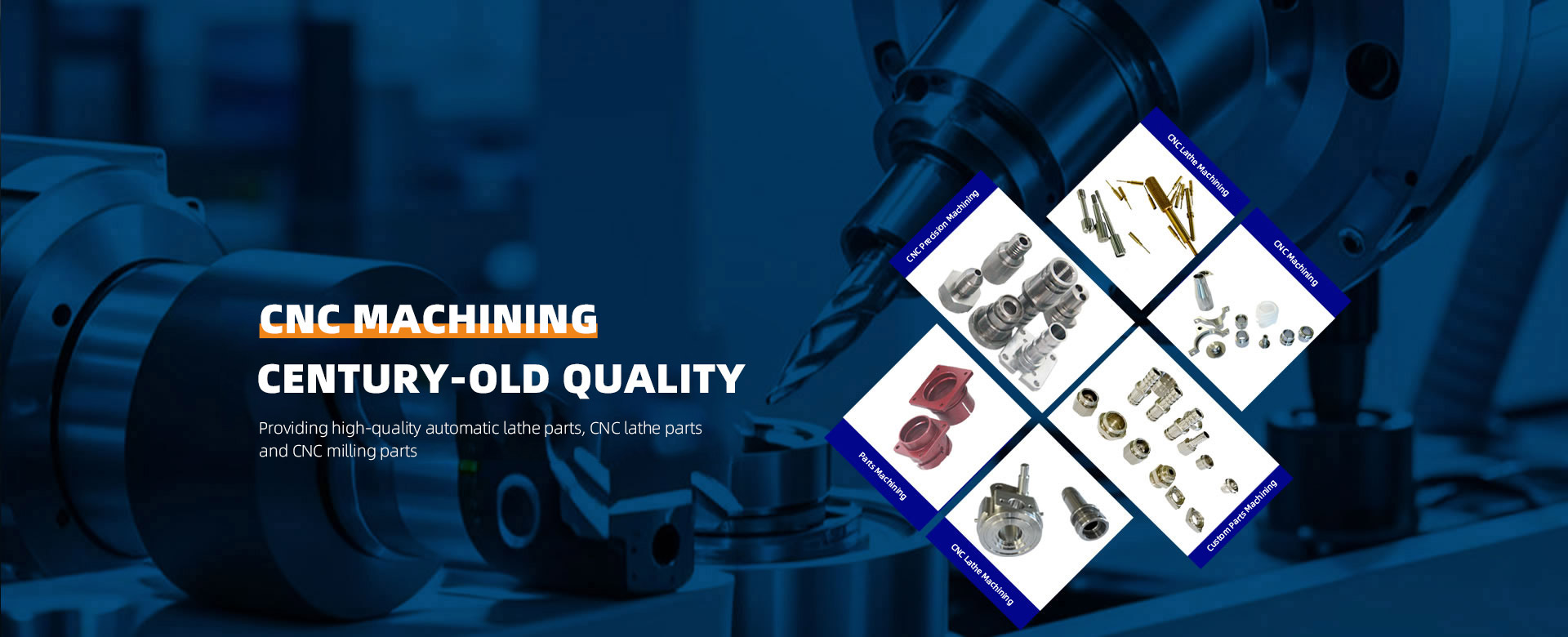
CNC machining (computer numerical control machining) is widely applied across multiple industrial sectors due to its advantages of high precision, efficiency, and consistency. Below is a detailed overview of its application areas:
1. Aerospace Industry
Core Applications: CNC machining finds extensive use in aerospace, primarily for processing complex curved components such as aircraft engine blades, airframe structures, and turbine discs. These components demand exceptional precision and performance. CNC machining meets micron-level accuracy requirements, ensuring high reliability and extended service life.
Technical Advantages: Five-axis CNC machining enables efficient, high-precision processing of complex surfaces while reducing setup changes and error accumulation, thereby enhancing production efficiency and quality.
2. Automotive Manufacturing
Core Applications: CNC machining plays a critical role in the automotive industry, primarily used for processing key components such as engine blocks, crankshafts, and transmission gears. These parts demand strict precision and wear resistance, which CNC machining ensures through dimensional accuracy and surface quality.
Technical Advantages: CNC machining supports batch production. Through automated processing and in-line inspection technology, it enables efficient, high-precision part manufacturing while reducing scrap rates and production costs.
3. Mold Manufacturing
Core Application: Molds are vital tools in manufacturing, where their precision and quality directly impact product quality and production efficiency. CNC machining plays a central role in mold manufacturing, enabling high-precision and efficient mold processing.
Technical Advantages: Through programmed automation, CNC machines precisely control tool paths and cutting parameters, ensuring dimensional accuracy and surface finish of molds. Additionally, CNC machining supports multi-axis simultaneous machining to meet the processing demands of complex-shaped molds.
4. Mechanical Manufacturing
Core Application: Mechanical manufacturing is one of the primary application areas for CNC machining, encompassing the production of machinery such as machine tools, automated equipment, and robots. CNC machining enables automated processing through programming, significantly enhancing the efficiency and precision of mechanical manufacturing.
Technical Advantages: CNC machining supports multi-axis simultaneous machining to meet the processing demands of complex-shaped components.
Additionally, real-time adjustment of machining parameters through online inspection and feedback systems ensures consistent part quality.
5. Electronics Manufacturing
Core Applications: In electronics production, CNC machining is extensively used for precision components like mobile phone casings, computer keyboards, and connectors. These parts demand stringent dimensional accuracy and surface finish, which CNC machining fulfills with high precision and efficiency.
Technical Advantages: CNC machining supports micro-part processing, achieving precision manufacturing through high-accuracy tools and controlled cutting parameters. It also enables multi-process integrated machining, reducing fixture changes and cumulative errors.
6. Medical Device Manufacturing
Core Applications: Medical device components undergo multiple complex machining processes, including high-precision milling, turning, and drilling operations. CNC machining delivers high precision and stability, meeting the stringent quality and performance demands of the medical device industry.
Technical Advantages: CNC machining processes biocompatible materials like titanium alloys and ceramics, ensuring medical device safety and reliability. High-precision machining and surface treatment technologies enhance surface finish and corrosion resistance.
7. 3C Products Sector
Core Applications: In the manufacturing of 3C products (computers, communications, consumer electronics), CNC machining is extensively used for processing the outer casings and internal structural components of electronic devices like smartphones and computers.
Technical Advantages: CNC machining supports the processing of complex shapes and micro-parts. Through high-precision cutting tools and controlled cutting parameters, it achieves precise component manufacturing. Furthermore, CNC machining enables integrated multi-process machining, enhancing production efficiency and product quality.

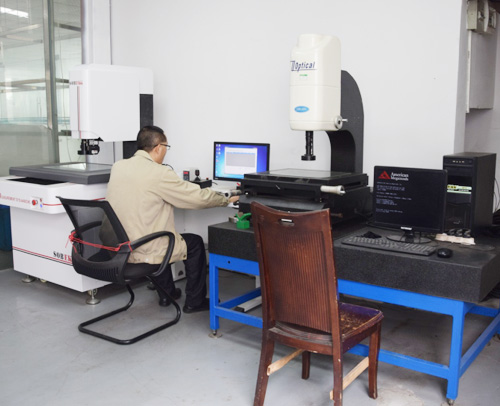 About ZhenggongZhenggong Electronics (Dongguan) Co., Ltd. is a specialized enterprise dedicated to the precision machining and manufacturing of high-accuracy components.view more
 News CenterFollow Zhenggong Electronics for real-time updates on the latest in high-precision component machining.view more