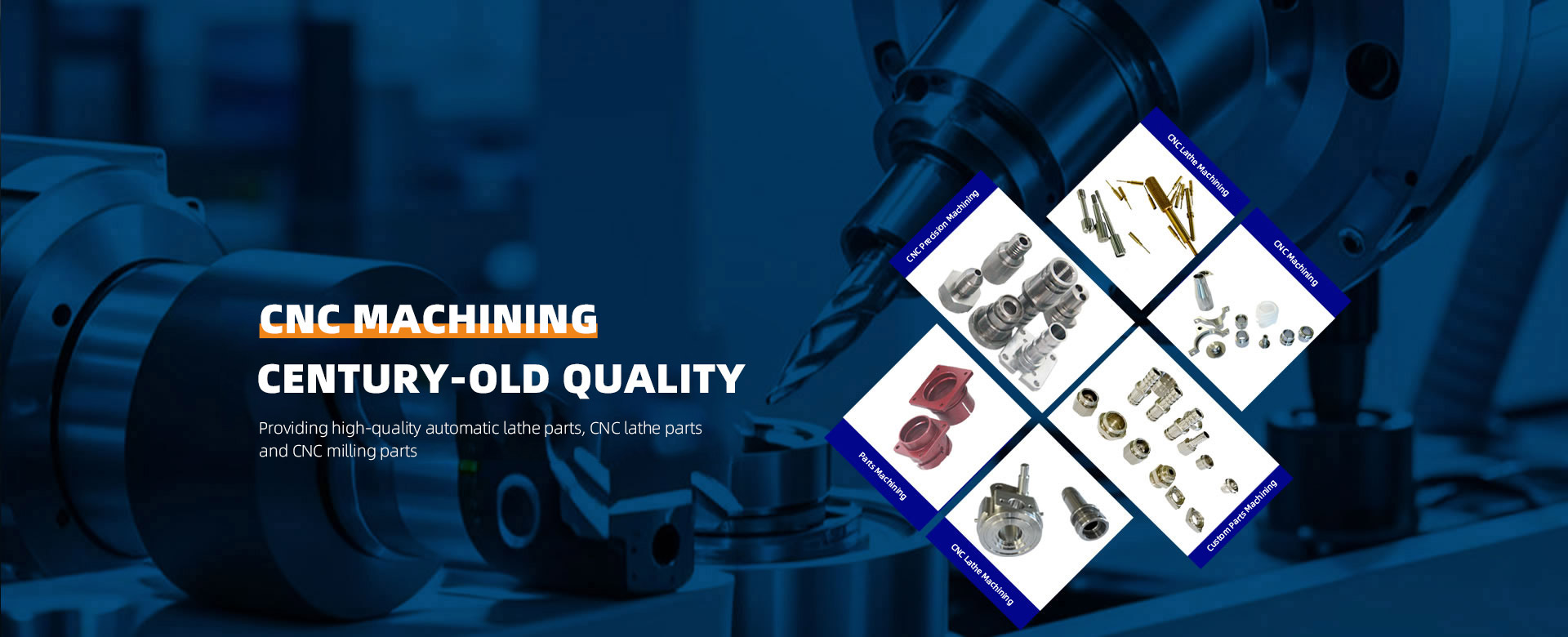
CNC (Computer Numerical Control) machining achieves high-precision, high-efficiency automated manufacturing through digital control. Its technological advantages span multiple dimensions, meeting modern industry's stringent demands for quality, efficiency, and flexibility. Below are the core technical advantages of CNC machining and their detailed analysis:
1. High Precision and Consistency
Micron-Level Precision: CNC machines precisely control tool paths via numerical control systems, maintaining tolerances within ±0.001mm—far surpassing traditional manual machining.
Repeatability Stability: Identical parts can be mass-produced using the same program, ensuring consistent dimensions, shapes, and surface quality. This makes CNC ideal for high-precision sectors like aerospace and medical devices.
Dynamic Compensation Technology: Modern CNC systems monitor environmental factors like temperature and vibration in real time, automatically adjusting parameters to eliminate errors and further enhance precision.
2. Efficient Production and Reduced Cycle Times
Automated Continuous Operation: 24/7 uninterrupted operation minimizes manual intervention, significantly boosting production capacity.
Rapid Tooling Change & Multitasking: Supports multi-axis simultaneous machining (e.g., 5-axis machines), completing complex surface machining in a single setup to minimize process changeover time.
Optimized Path Planning: CNC systems automatically calculate the shortest machining paths, reducing idle travel and tool wear while boosting processing efficiency.
3. Complex Structure Machining Capabilities
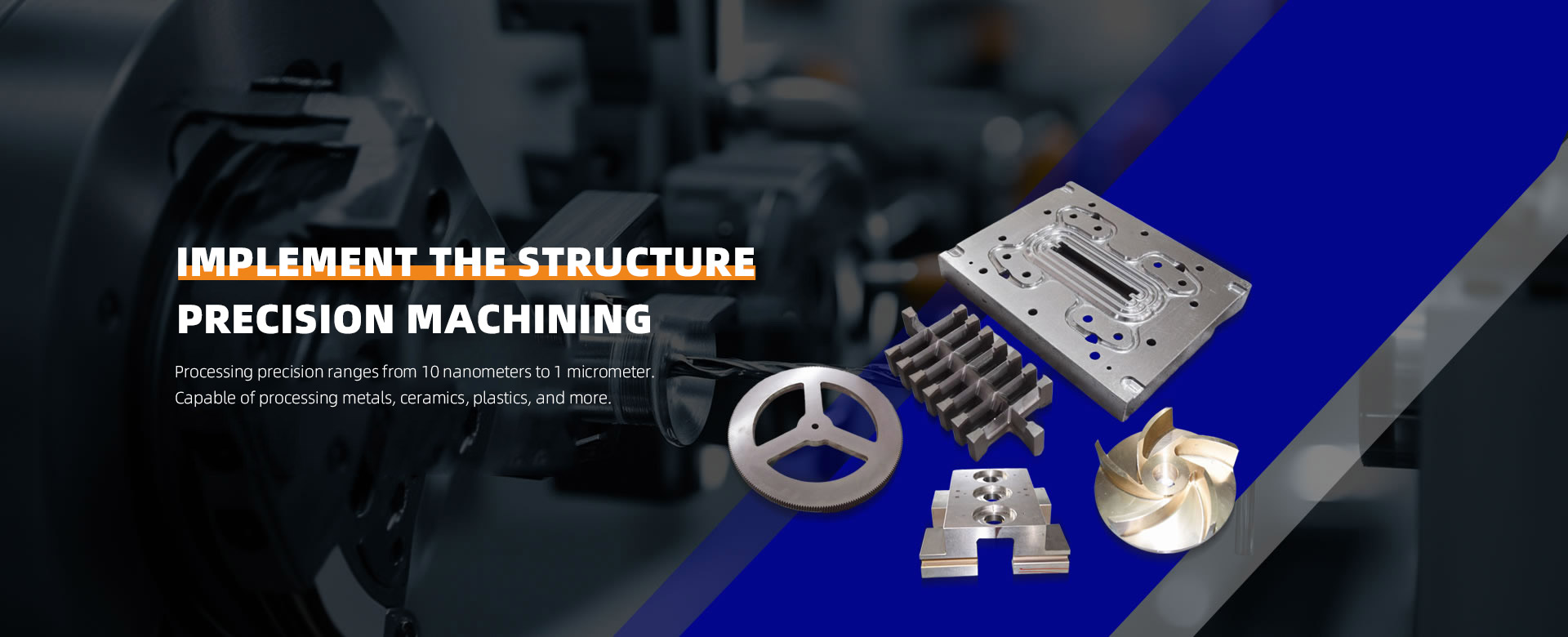
3D Surface Machining: Utilizes multi-axis technology to precisely machine complex surfaces like impellers and turbines, unattainable with traditional methods.
Micro-Feature Machining: Supports micron-level feature machining (e.g., 0.1mm deep grooves), suitable for precision applications in electronics chips and optical components.
Thin-Wall Part Machining: Employs high-speed cutting and vibration control technology to minimize deformation, enabling stable machining of thin-walled aerospace aluminum alloy components.
4. Material Adaptability and Process Flexibility
Multi-Material Compatibility: Processes metals (steel, aluminum, titanium), plastics, ceramics, and composites, covering a broad spectrum from soft to hard materials.
Process Integration Capability: Supports integrated milling, drilling, tapping, boring, and turning operations, enabling a single machine to complete all machining for complex parts.
Small-Batch Customization Advantage: Rapid product type switching via program modification eliminates mold changes, ideal for multi-variety, low-volume production.
5. Intelligence and Data-Driven Capabilities
Real-Time Monitoring and Feedback: Integrated sensors track cutting forces, temperature, vibration, and other parameters, dynamically adjusting machining settings to optimize quality.
Digital Twin Technology: Virtual simulation predicts machining issues, reducing trial-and-error costs and boosting first-pass success rates.
IoT Integration: Interfaces with MES and ERP systems for real-time production data collection and traceability, supporting lean manufacturing.
6. Cost Optimization and Long-Term Benefits
Reduced Labor Dependency: Automated operations decrease reliance on skilled workers, alleviating labor shortages.
Lower Scrap Rates: High-precision machining minimizes defects, boosting material utilization by 10%-30%.
Extended Equipment Lifespan: Intelligent cutting parameter optimization reduces tool wear and lowers maintenance costs.
7. Environmental Sustainability
Energy-Efficient Design: Utilizes high-efficiency servo motors and energy recovery systems to reduce power consumption.
Green Cutting Fluids: Supports minimum quantity lubrication (MQL) technology to reduce fluid consumption and pollution.
Material Recycling: Precision machining minimizes scrap, boosting material recovery rates.
Application Scenarios
Aerospace: Machines titanium alloy turbine blades meeting high-temperature, high-pressure performance requirements.
Medical Devices: Manufactures artificial joints and implants ensuring biocompatibility and dimensional accuracy.
Consumer Electronics: Machining smartphone frames and camera modules to achieve micron-level structural control.
Summary
CNC machining transforms traditional manufacturing from “experience-driven” to “data-driven” through digitalization, automation, and intelligent technologies, delivering significant advantages in precision, efficiency, flexibility, and cost. As Industry 4.0 advances, CNC machining is deeply integrating with technologies like AI and 5G, further propelling manufacturing toward intelligent and green transformation.

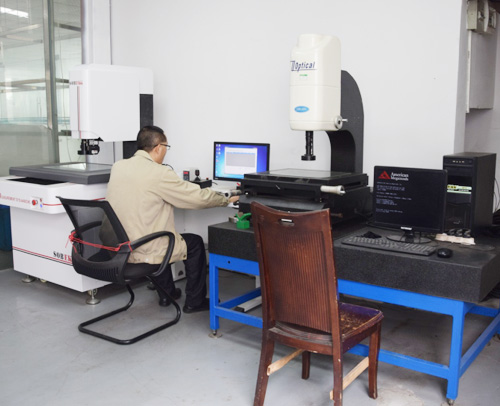 About ZhenggongZhenggong Electronics (Dongguan) Co., Ltd. is a specialized enterprise dedicated to the precision machining and manufacturing of high-accuracy components.view more
 News CenterFollow Zhenggong Electronics for real-time updates on the latest in high-precision component machining.view more